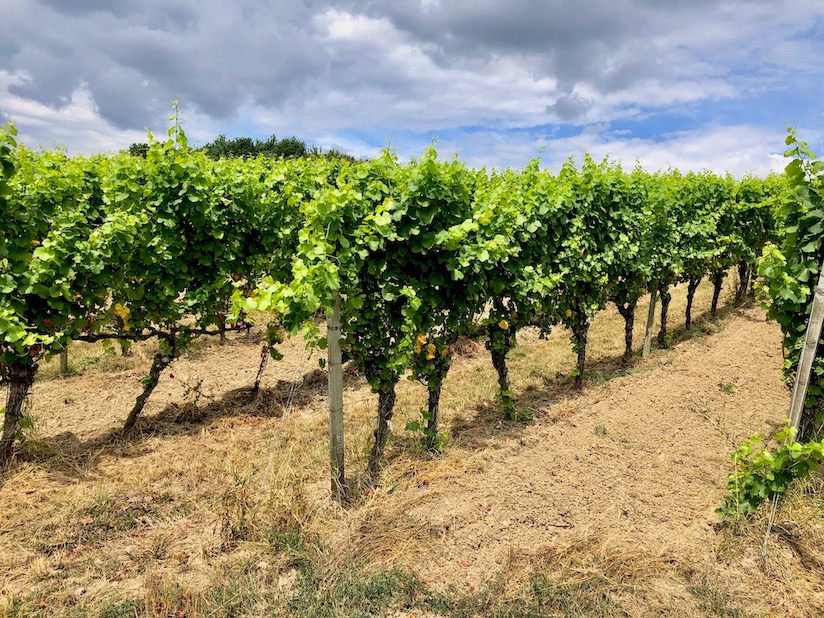
Volcanic playground
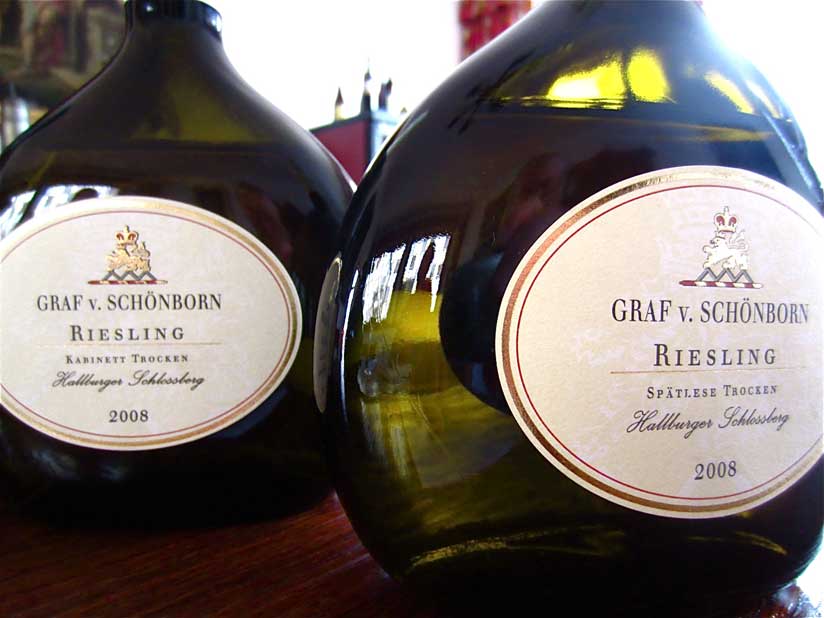
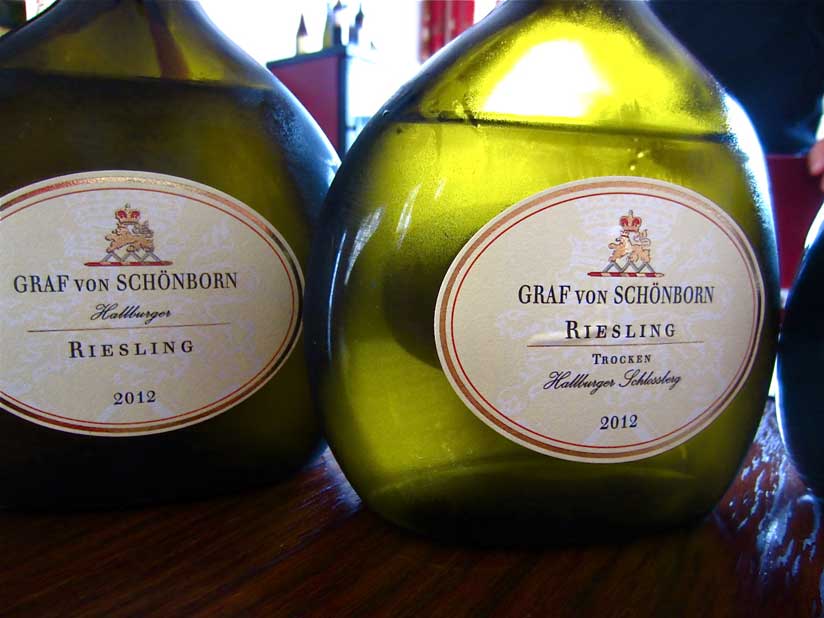
Franken, 2 or 3 hours drive east of Frankfurt, is all about the Bocksbeutel and Minerals. “Bocksbeutel” is the name of the funny squat bottles most Franken wines come in, said to be derived from a goat’s “sack” and dangerously reminiscent of a Mateus Rose bottle – but there the similarity ends; the contents could not be more different!
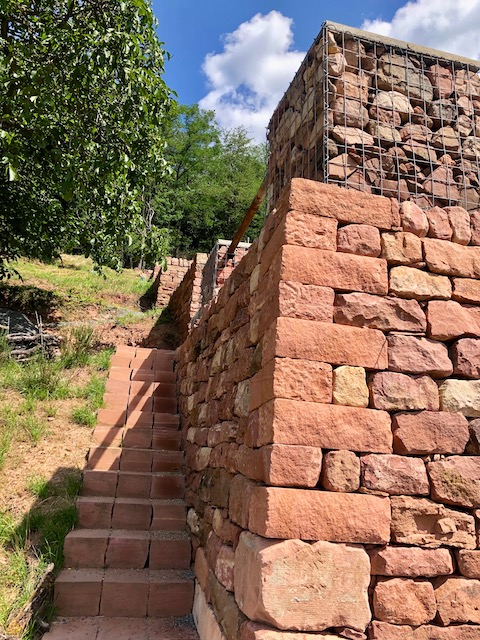
The difference (as everyone in Franken keeps saying) is all to do with minerals. 250 million years ago, the bright sandstone rock Franken now sits on was on the equator and 100 million years later, as the continental plates shifted northwards and outwards, became the predecessor of the Mediterranean, accumulating fossil-heavy chalk. These layers fan outwards, exposing their seven different geologies to widely scattered pockets of the Franken vineyards. With such well-travelled geology, it’s easy to see why these dry Rieslings explode with spicy minerals.
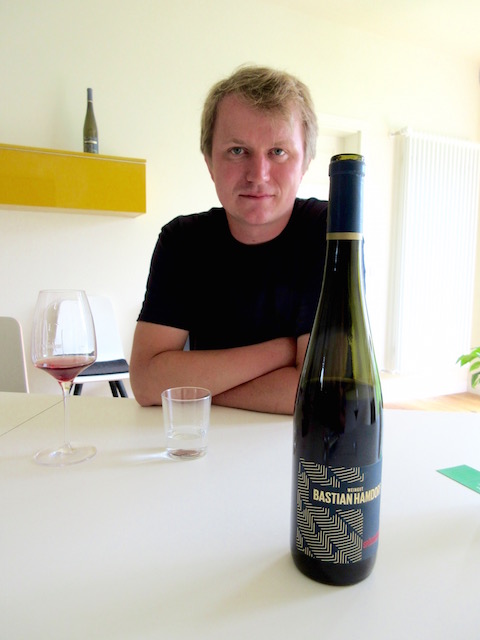
Bastian Hamdorf (Klingenberg) ORGANIC
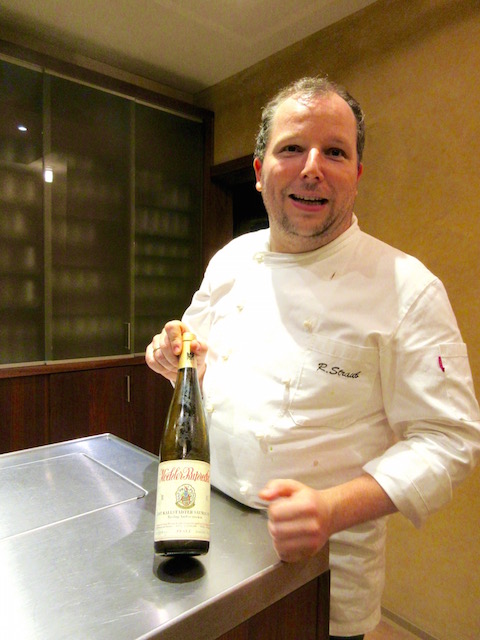
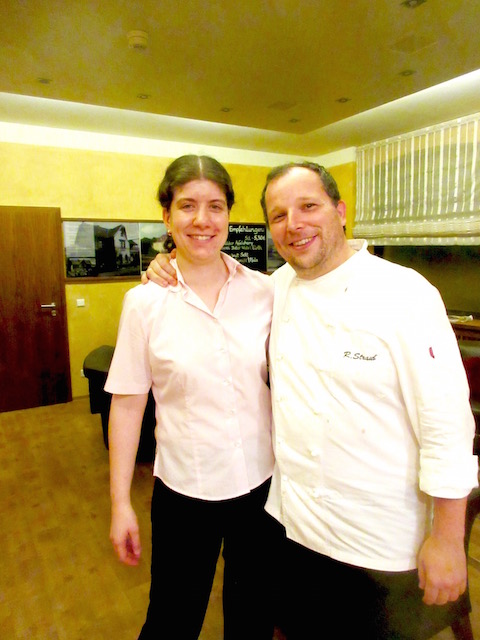
“More Riesling please, Sabine!” It was July 2016 at (the sadly now defunct) Straubs Schone Aussicht in Klingenberg-am-Main, a hotel/restaurant with an outstanding wine list.
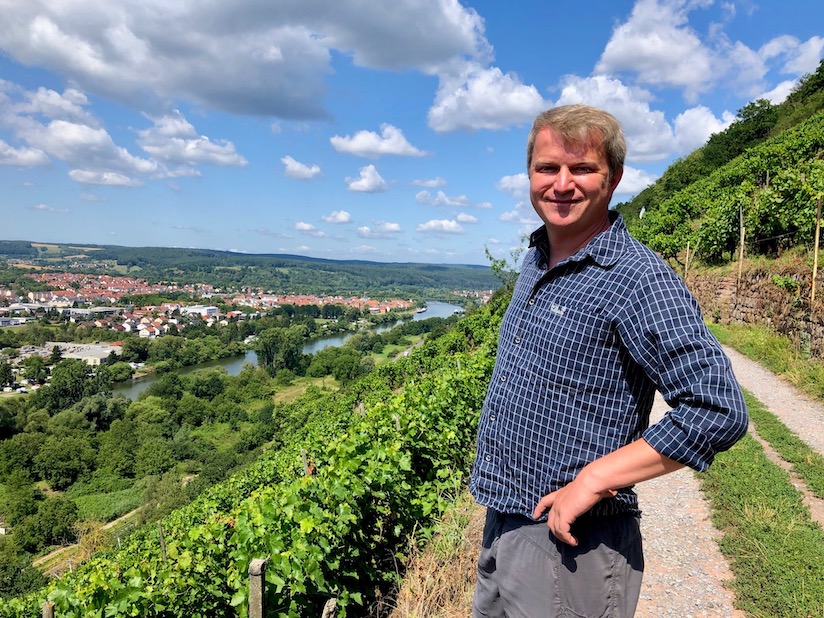
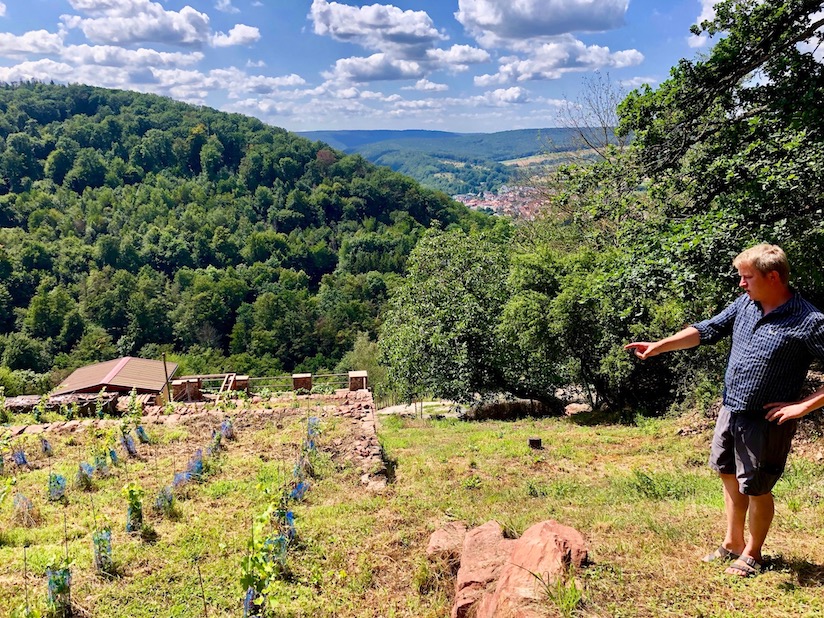
“Something local?” Yes, please. Furst-Lowenstein Kallmuth Riesling 2013 appeared. Yum. Made by the young and very talented Bastian Hamdorf. He’s no longer at Furst-Lowenstein and he has his own micro-winery with micro parcels totalling 1.5 hectares, just over the other side of the river in Klingenberg.
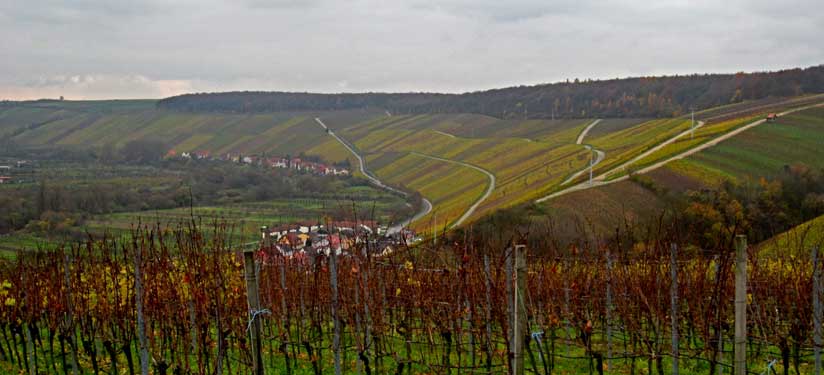
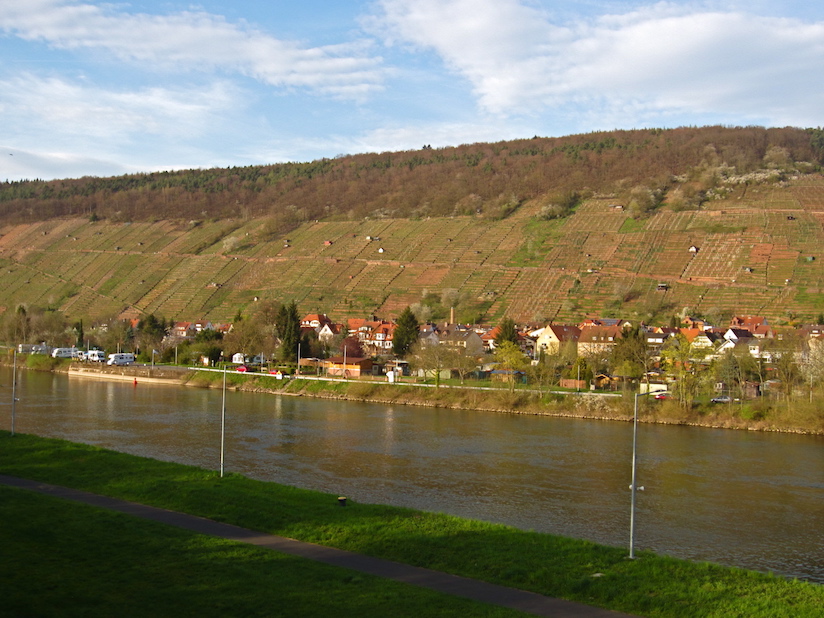
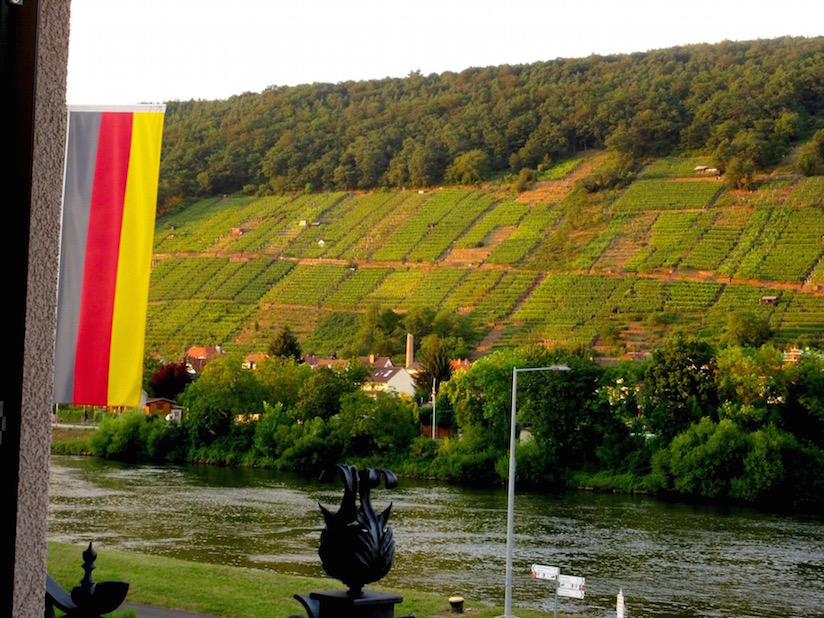
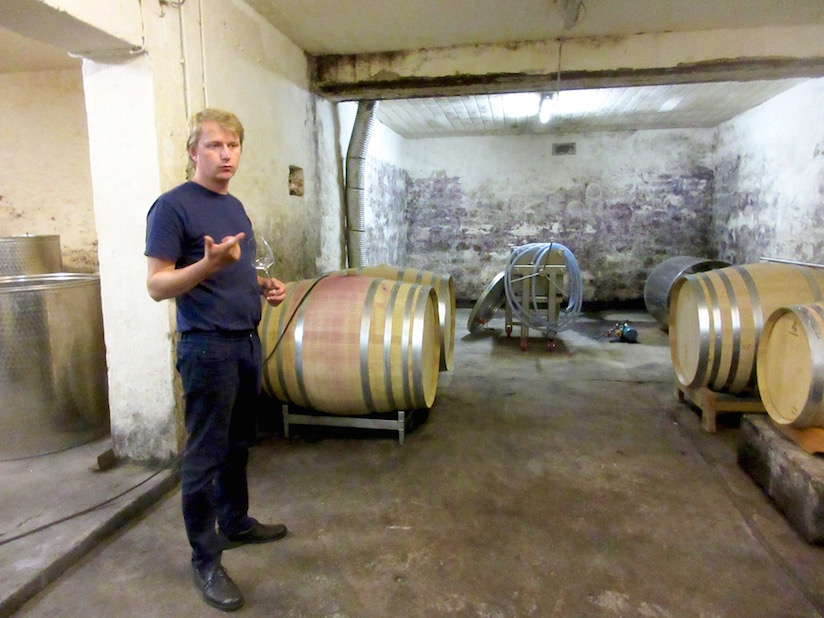
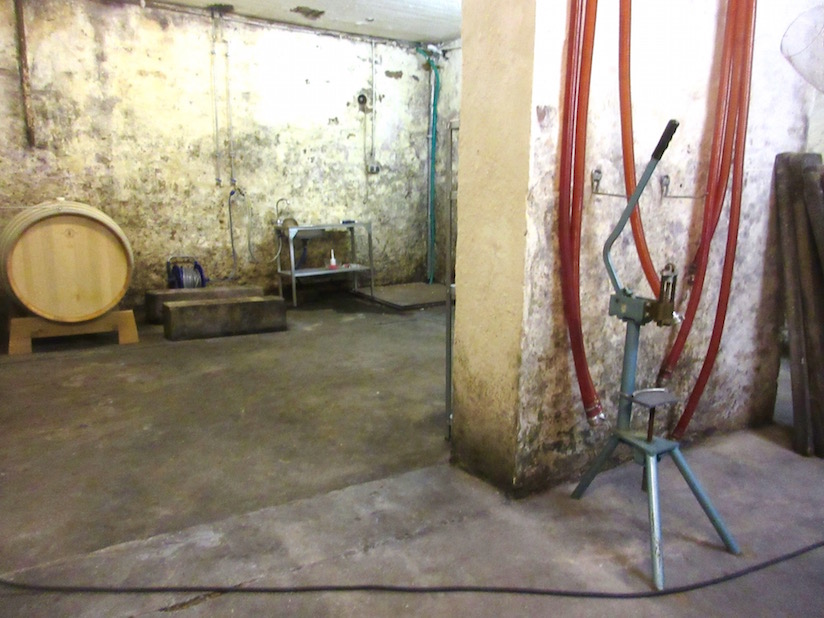
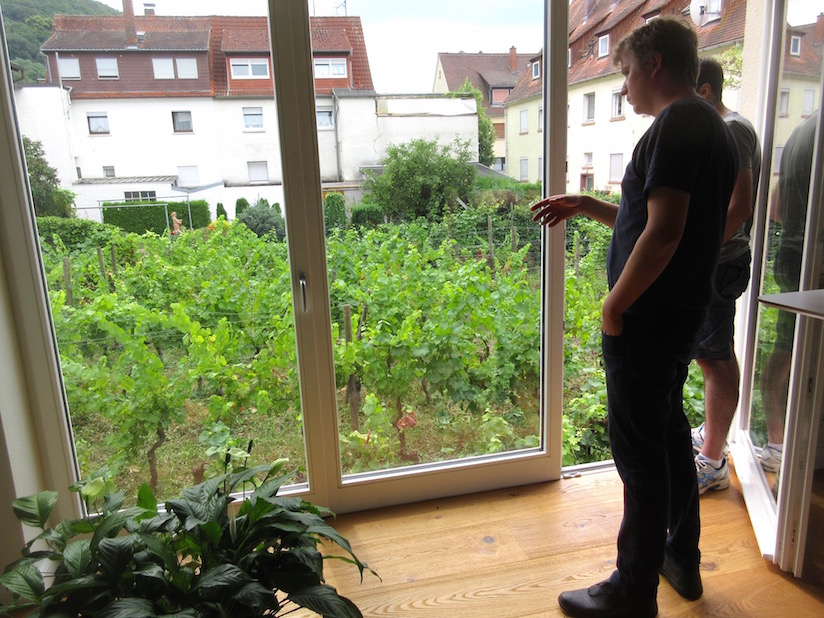
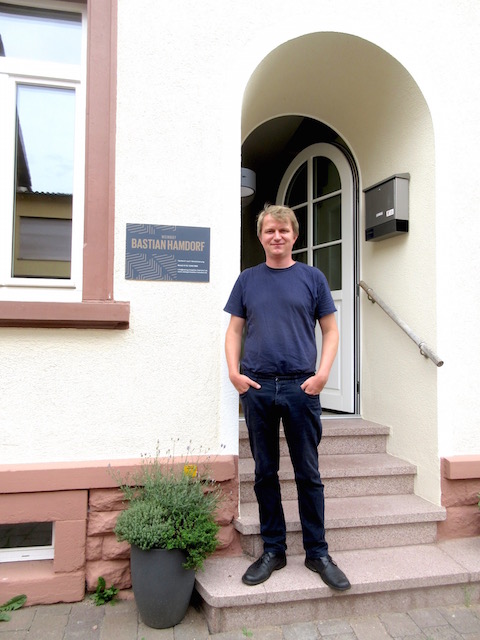
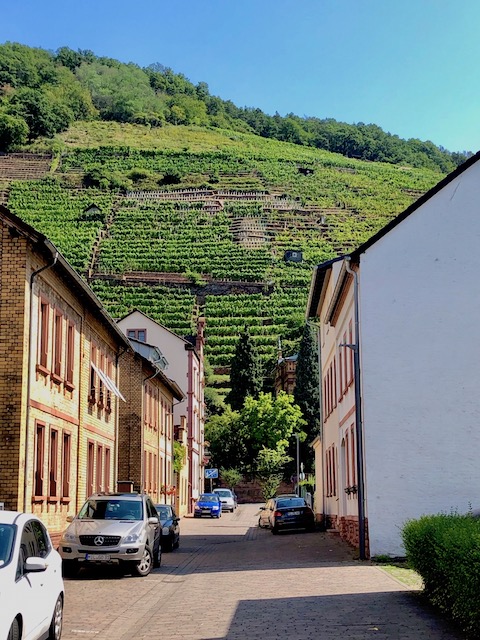
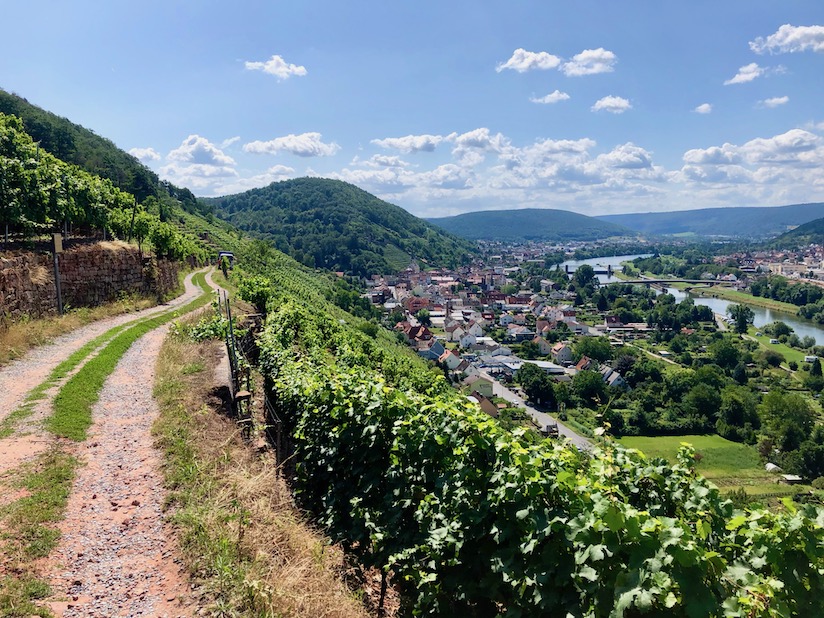
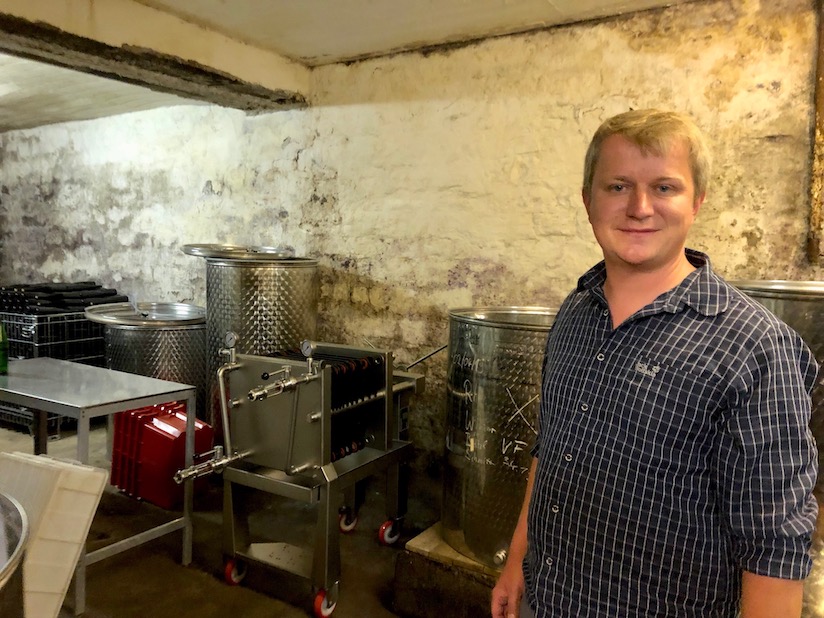
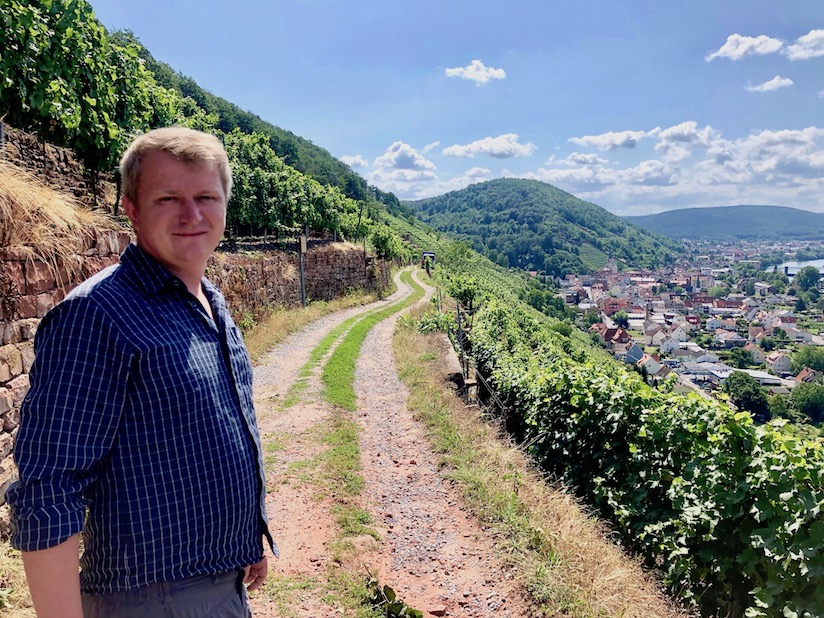
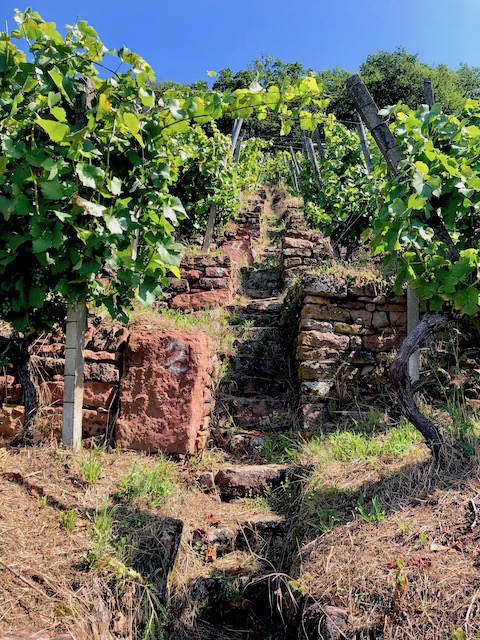
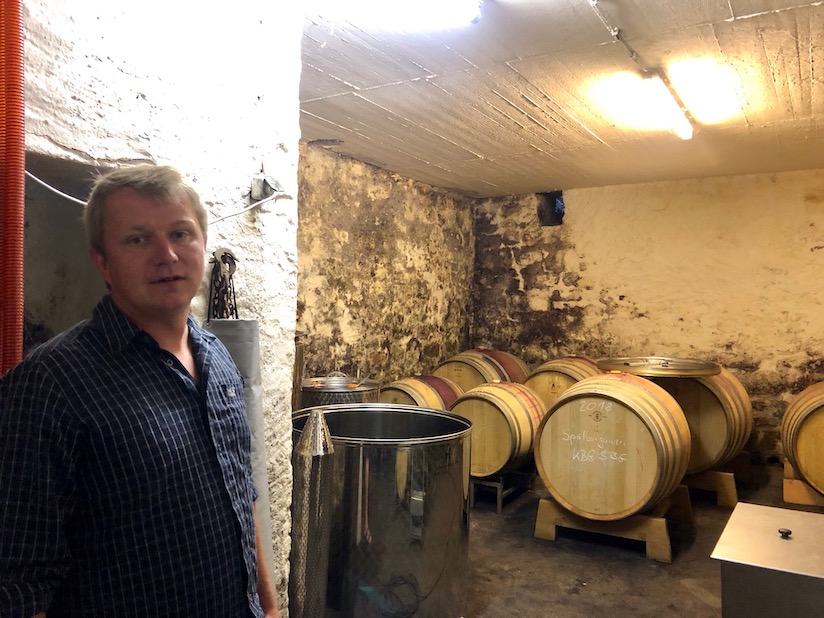
We arrived outside his house the following morning, the vineyard at the end of the street towering over the houses. Bastian’s winery is in the basement below his home. His garage is the “grape reception centre” and home for childrens toys.
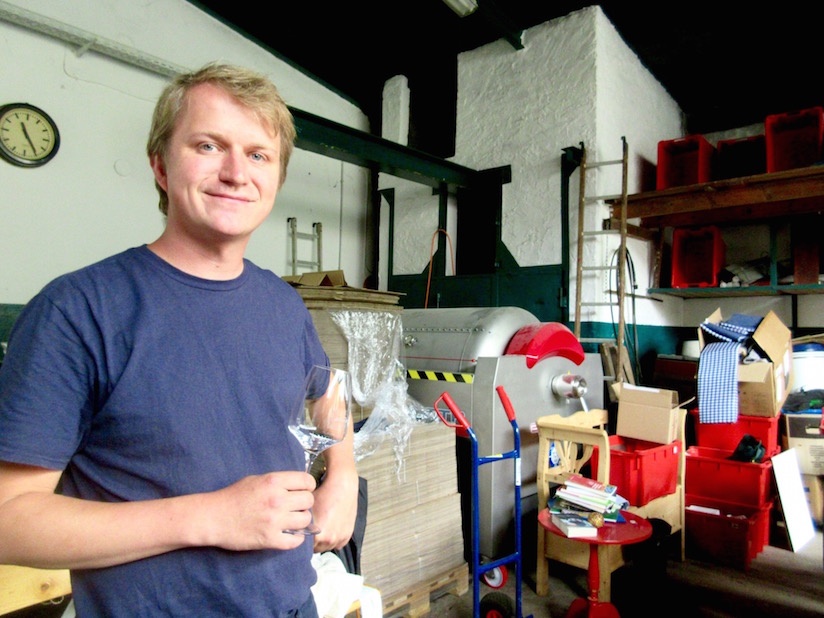
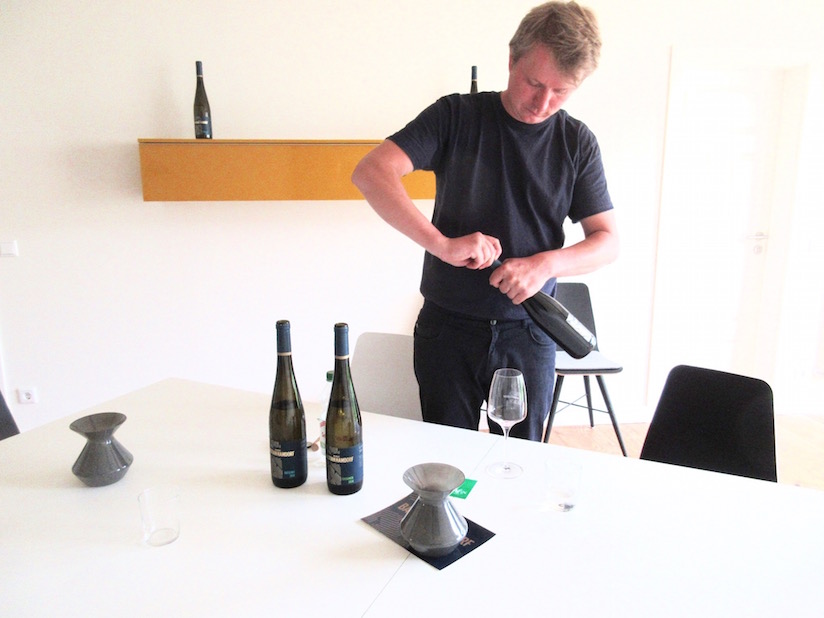
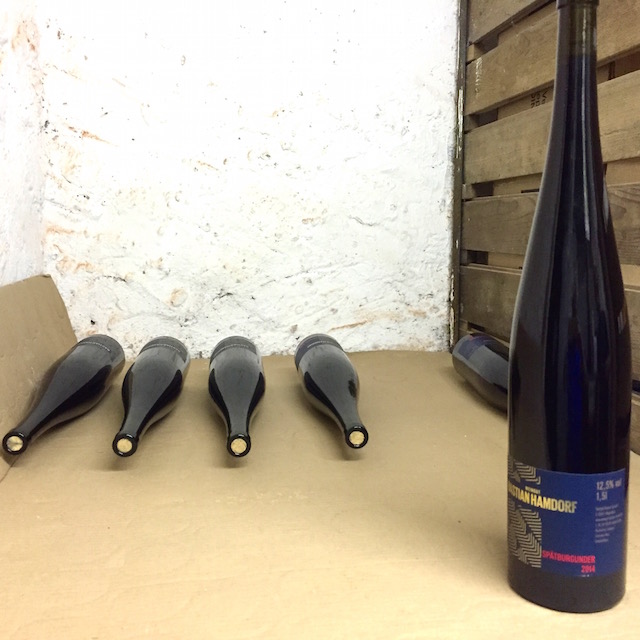
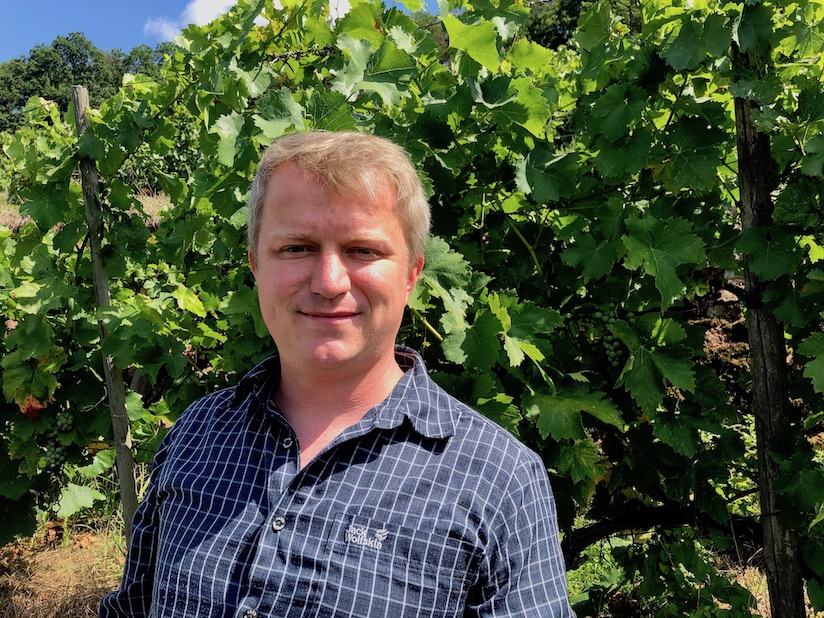
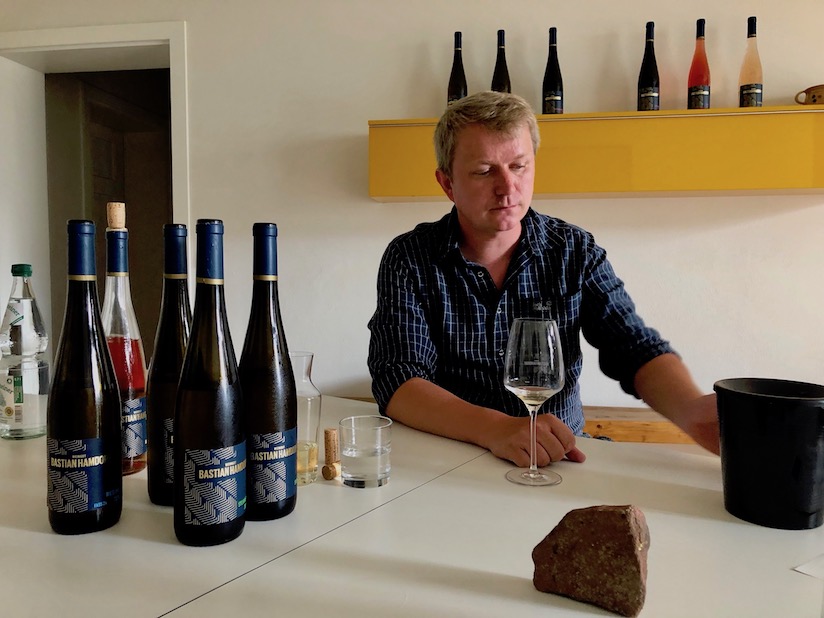
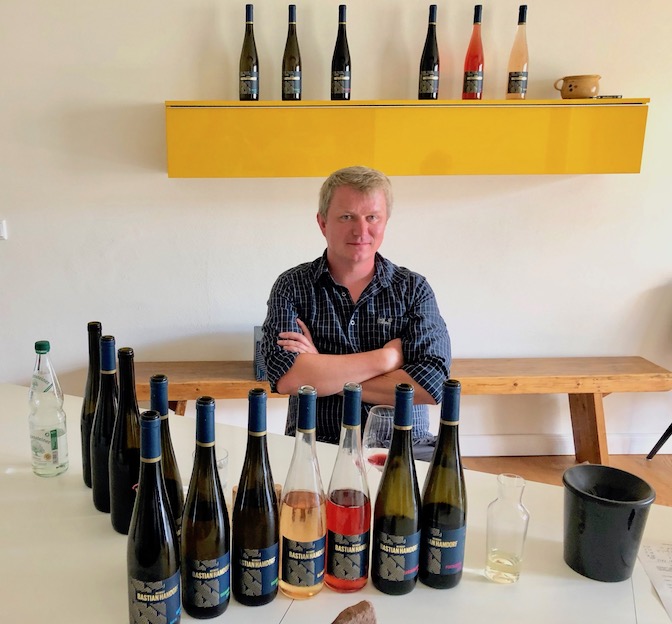
Bastian Hamdorf. Micro-winery. Micro-production. Hardcore – every bottle is filled by hand.
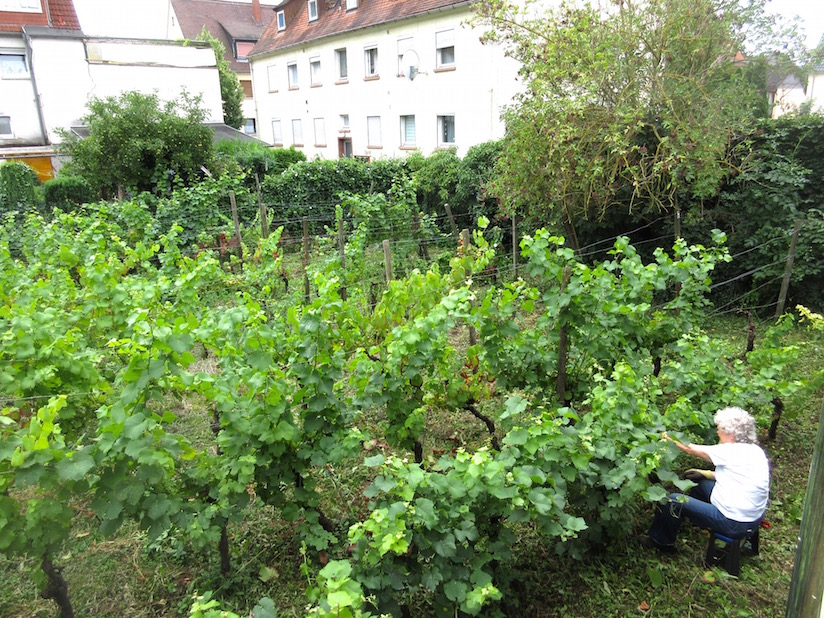
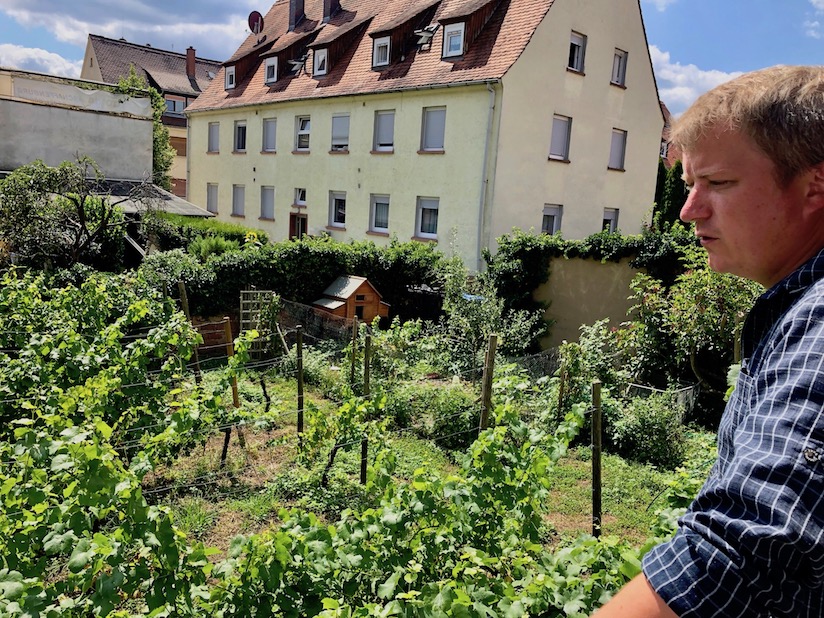
What’s in the back garden, Bastian? Another of Bastian’s parcels of vines. A tiny Clos – an enclosed vineyard in his back garden. And who’s that working in the vines?
“That’s my wife’s mother Ingrid. Boss for canopy management.”
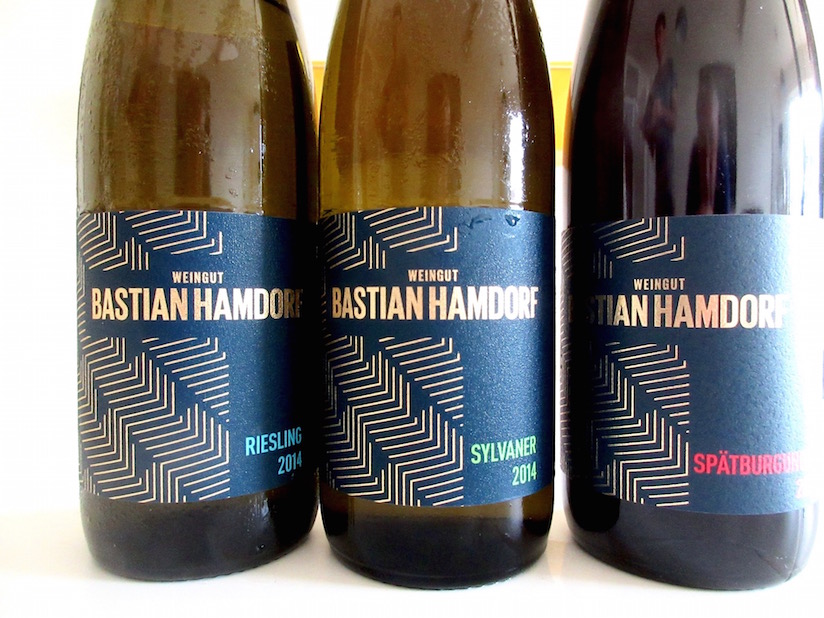
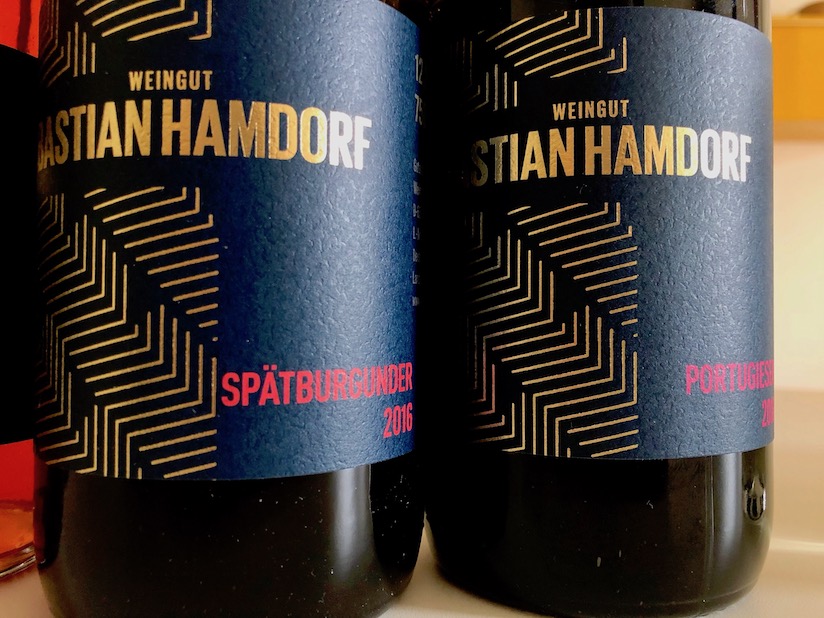
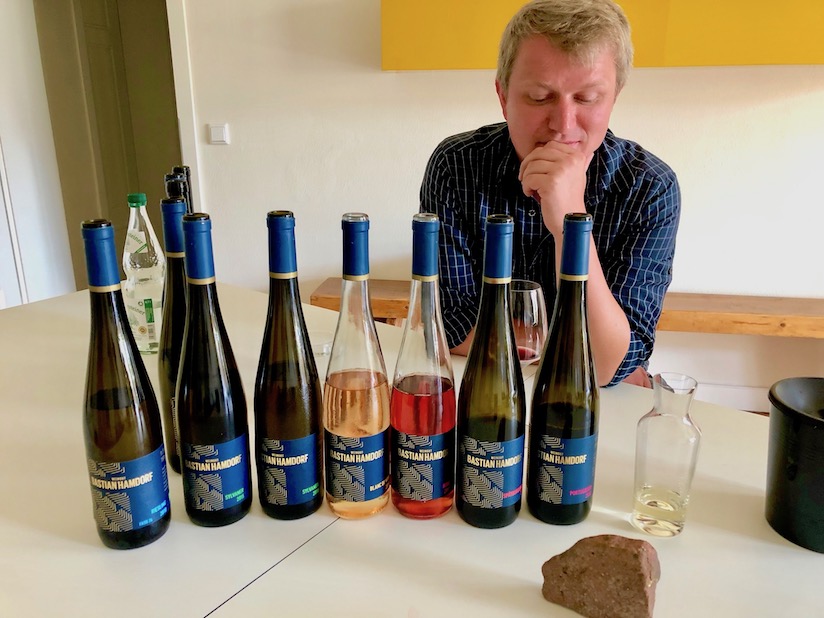
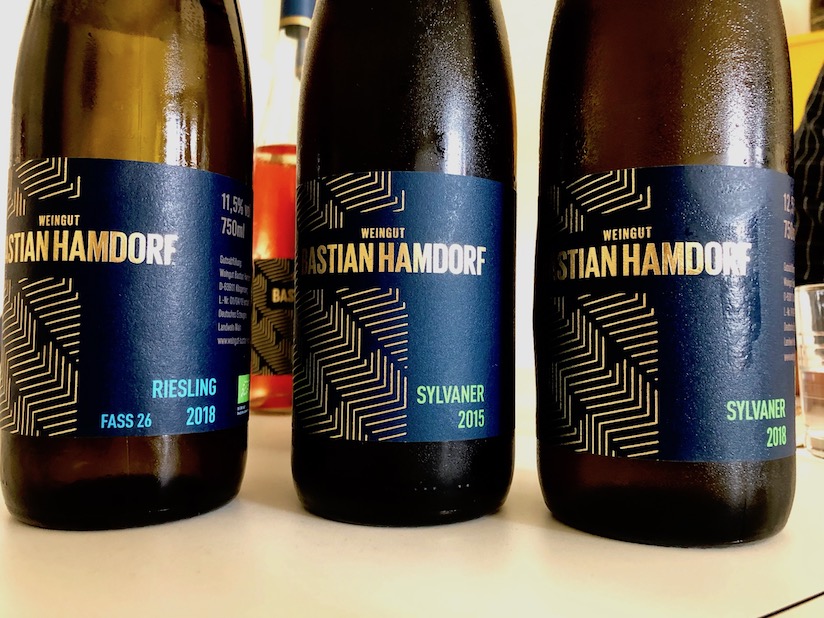
Bastian makes Riesling, Sylvaner, Spatburgunder and Portugieser.
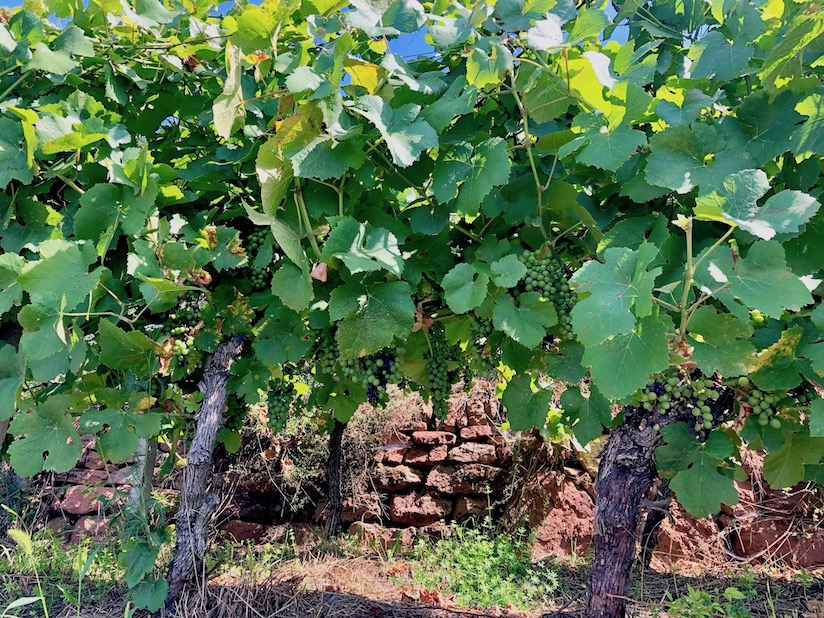
Portugieser is a grape we rarely get excited about but Bastian’s, from 94 year-old vines, is quite simply the finest, densest, most fragrant Portugieser we have ever tasted!
Juliusspital (Wurzburg)
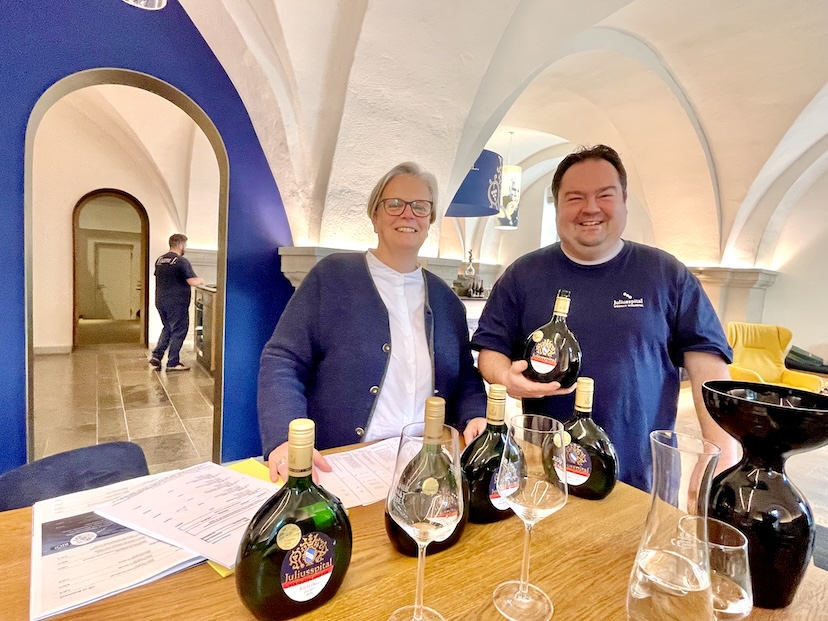
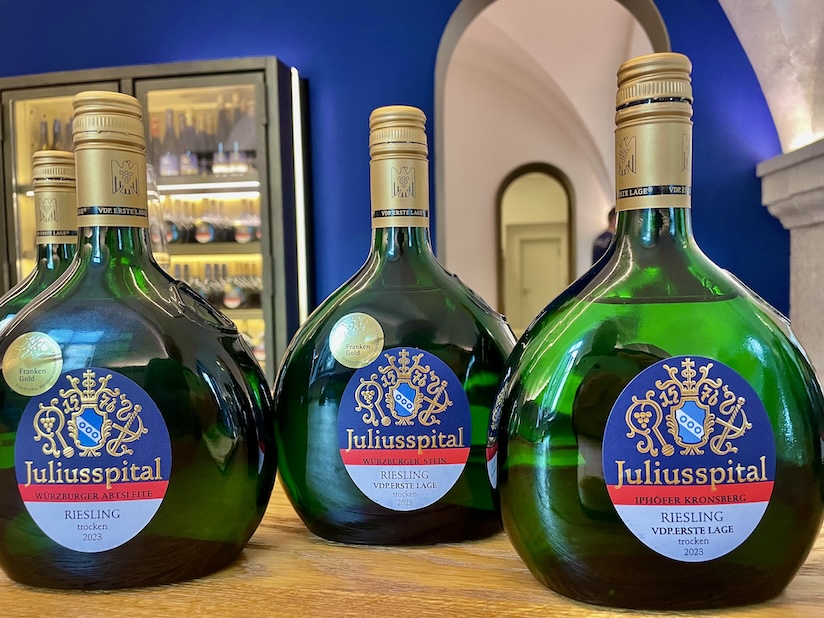
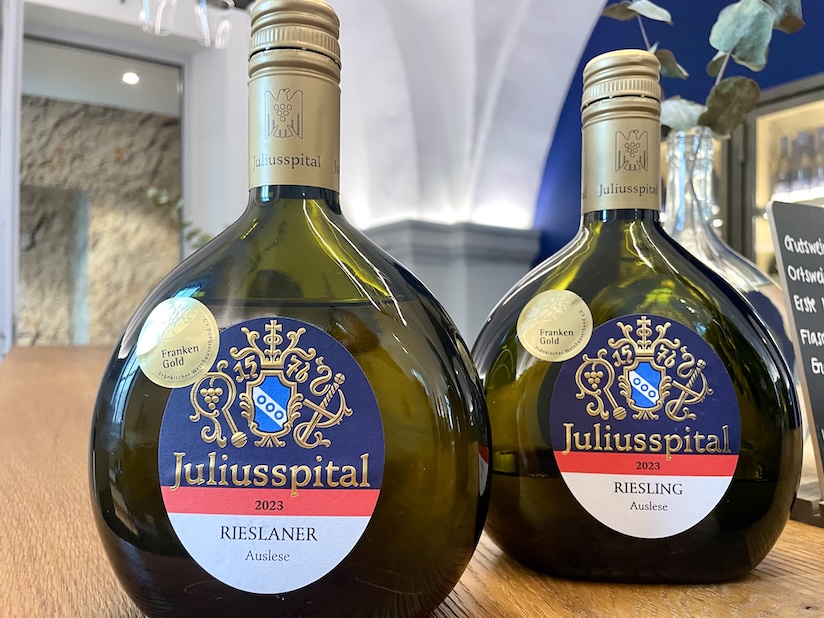
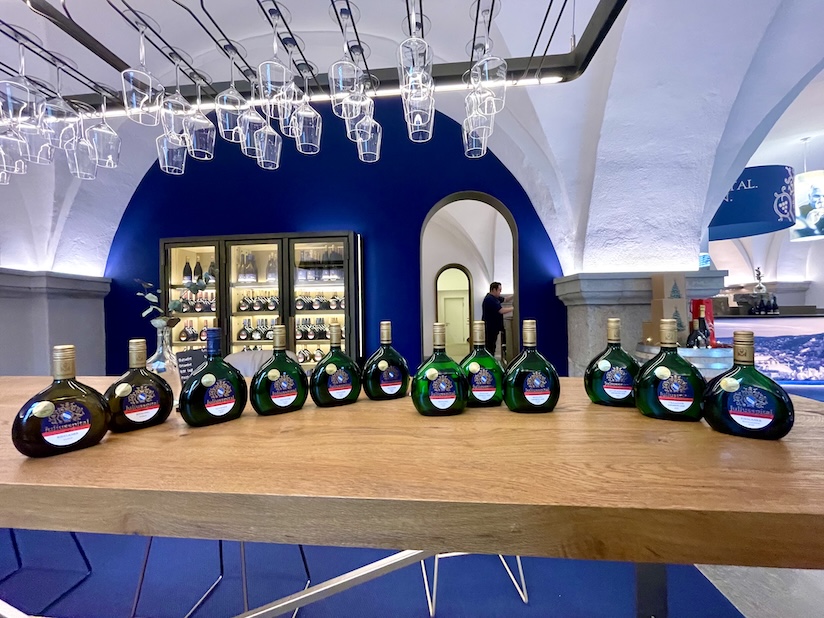
Bonkers about Bocksbeutels? Yes, we are. The Bocksbeutel (goats’ sack) is the traditional bottle shape for wine from Franken, a region an hour east of Frankfurt. Although many growers have switched to more mainstream shapes, we adore the unique traditional shape and seek it out.
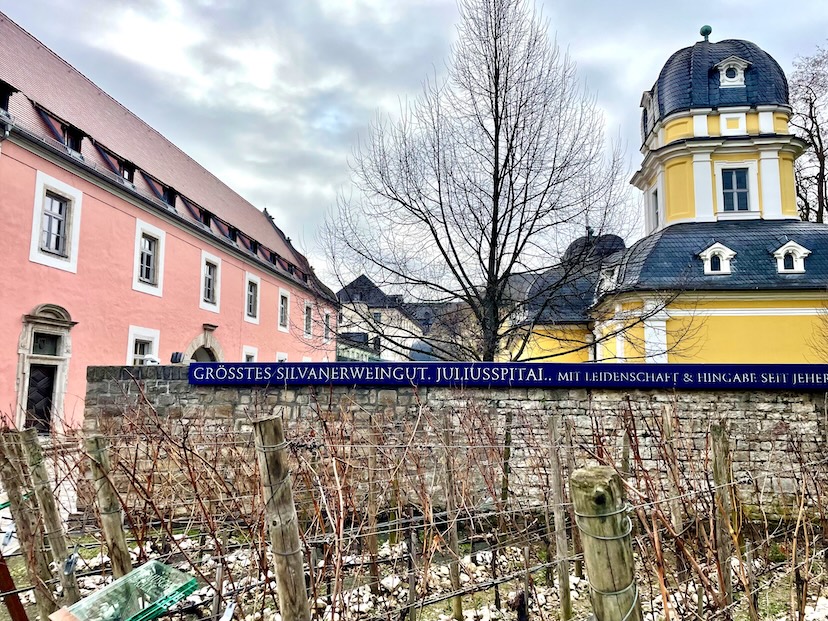
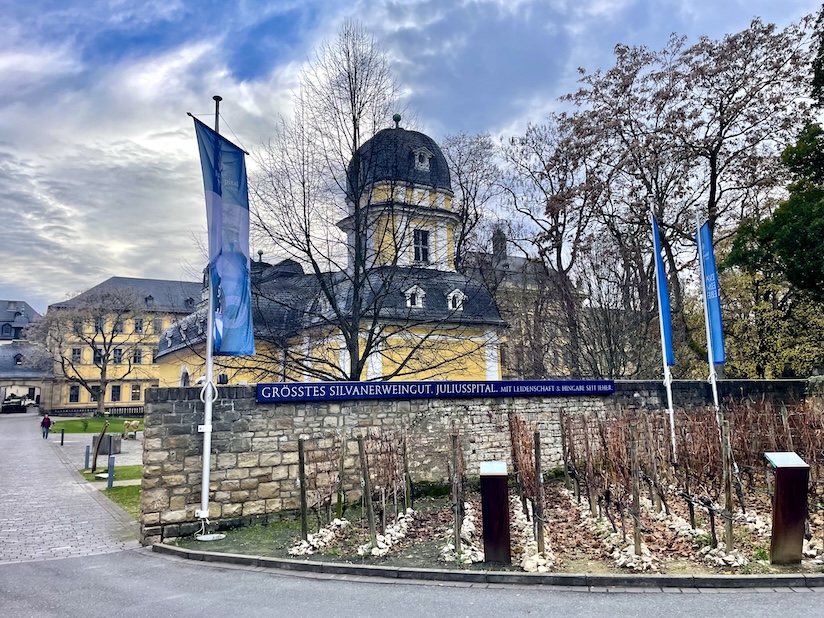
After spotting (and drinking) a few on wine lists in Germany over the past decade or more, it’s fair to say that we had become a bit fixated on Juliusspital wines. It was finally time to visit. Despite the contrast in our relative sizes (with 180 hectares it makes Juliusspital the second largest producer in Germany), we were very warmly received. Our first pick-up in 2023 included all the classics: Riesling, mature Riesling. Silvaner, mature Silvaner, All dry. We missed them when they were gone and recently headed back for more.
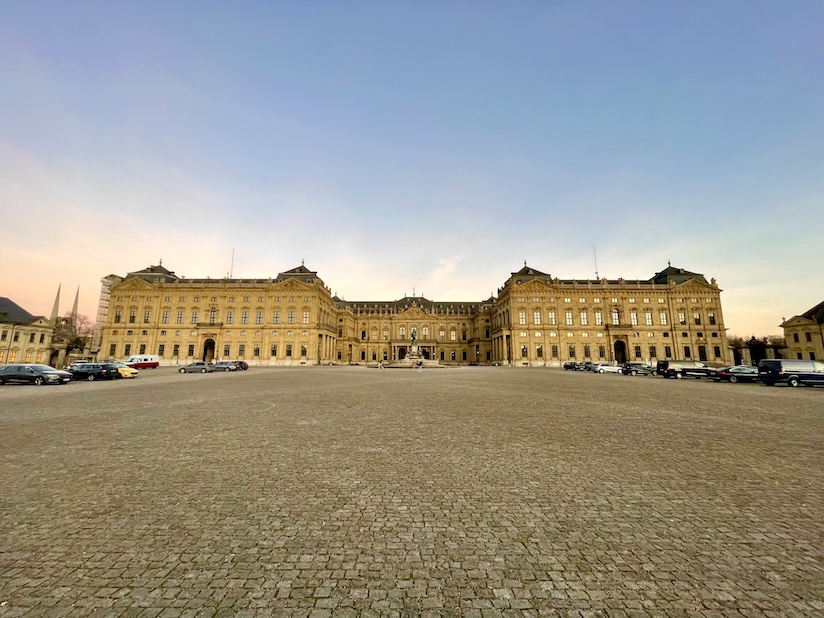
For a population of 130,000 Würzburg has a remarkably high density of historic buildings: cathedral, churches, palace, fort and wineries – many with histories going back centuries. Vineyards can be seen rising above the city in every direction, including the Wurzburger Stein. Julius Echter, Prince & Bishop, founded the Juliusspital in 1575 as a hospital for the poor, providing care, education, religious instruction and wine in the centre of Wurzburg. It has continued with the same model to this day. The extensive wine cellars are in the basement directly below the active hospital, slap bang in the middle of the city!
Their dry Rieslings and Silvaners are vibrant, expressive, surging with fruit, freshness and minerality.



Josef Walter (Burgstadt)
There was a sense of inevitability about us starting with Christoph Walter of Burgstadt. We had spotted a photo on Anne Krebiehl’s twitter feed almost simultaneously with an overnight in Michels Stern restaurant in Marktbreit in Franken. The enthusiastic and very helpful Stefan Michel guided us to one of Walter’s bottles. Verdict? Elegant, refined and a different style from other regions.
So it was inevitable that we would visit Franken twice in swift succession. Christoph has vines in the Burgstadter Centgrafenberg vineyard. His top wines are the “J” Centgrafenberg Spatburgunder Spatlese trockens. He also makes one from Fruhburgunder (Pinot Madeleine; the fickle, early-ripening relation of Pinot Noir). His wines age beautifully and we were delighted to scoop up some 2003s and 2004s.
It turns out that he’s a cousin of Paul Furst, the giant name of the area.


Graf von Schonborn/Schloss Hallburg (Hallburg)
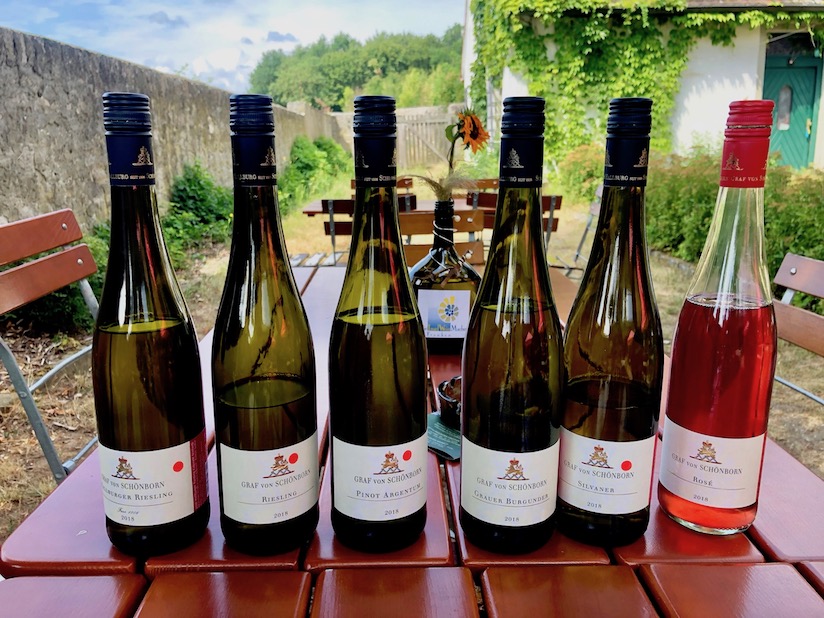
The Graf von Schonborn has two wineries, one in Hattenheim in the Rheingau (Schloss Schonborn), the other in Hallburg in Franconia (Graf von Schonborn). We adore their vibrant dry Rieslings and Silvaners (the classic local white) fizzing with volcanic minerality.
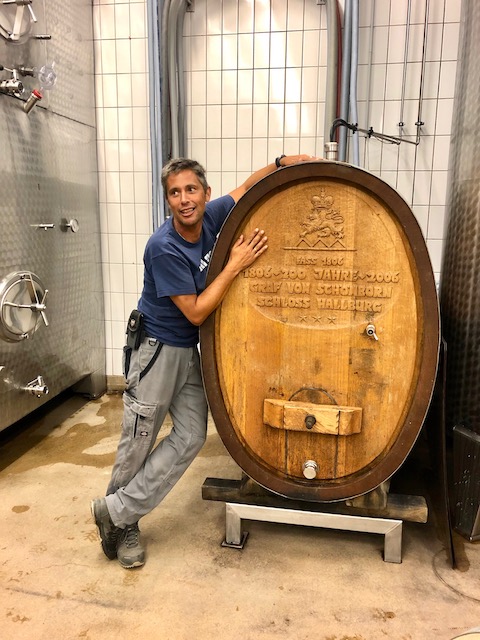
The Schonborn family can trace its ancestry back to the 12th century. Their family members have acted as Bishops, Cardinals and Princes. Many were elected as ecclesiastical rulers in the Electorates of Mainz and Trier, and the Princely-Bishoprics of Speyer, Worms, Wurzburg and Bamberg. The family were responsible for some of the great Baroque buildings, an era which is referred to as “Schonbornzeit” – synonmyous with prosperity. They even had a fiefdom in Franken. The Schonborns were key players in the Holy Roman Empire until Napoleon dissolved it in 1806. Somehow they managed to cling onto their property in Franken. Their unprepossessing Schloss is referred to as their “secret castle”.
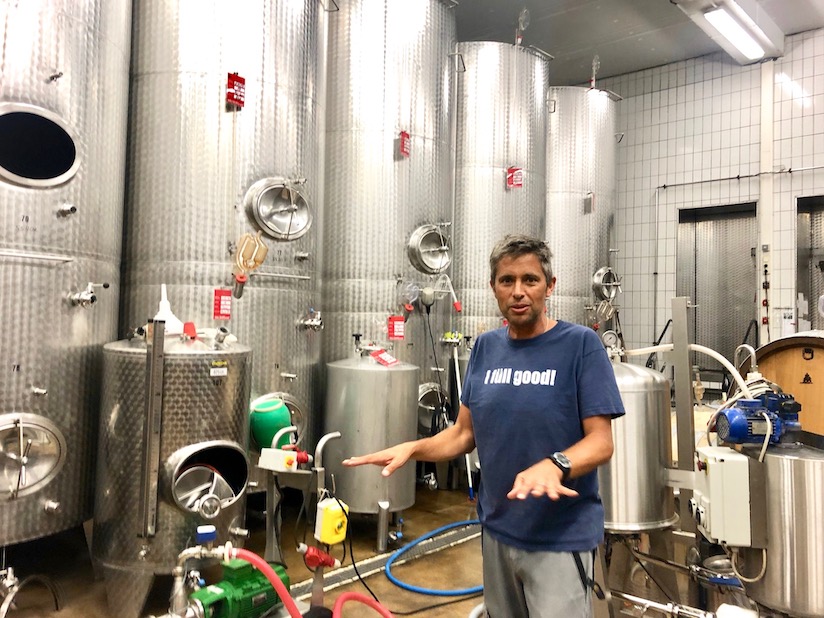
Their wines are classic Franken, expressing their roots and their volcanic geology. Estate manager Georg Hunnerkopf and winemaker Klaus Wagenbrenner make a wide range of dry Riesling, Silvaner, some experimental varietals and a top-of-the-range Spatburgunder. Some are bottled in the distinctive Bocksbeutel that we adore.